When an aircraft accident makes the news, one term almost always appears soon after. Black box: the phrase sounds mysterious, serious and slightly dramatic. Many people picture a small black metal box that somehow records everything inside an aircraft. The truth is far more detailed and far more interesting. These devices play a quiet but powerful role in aviation safety, and most of what people assume about them turns out to be incorrect. Here are ten lesser-known and genuinely surprising facts about black boxes, written to satisfy curiosity without the usual technical overload.
1. Black boxes are not black at all.
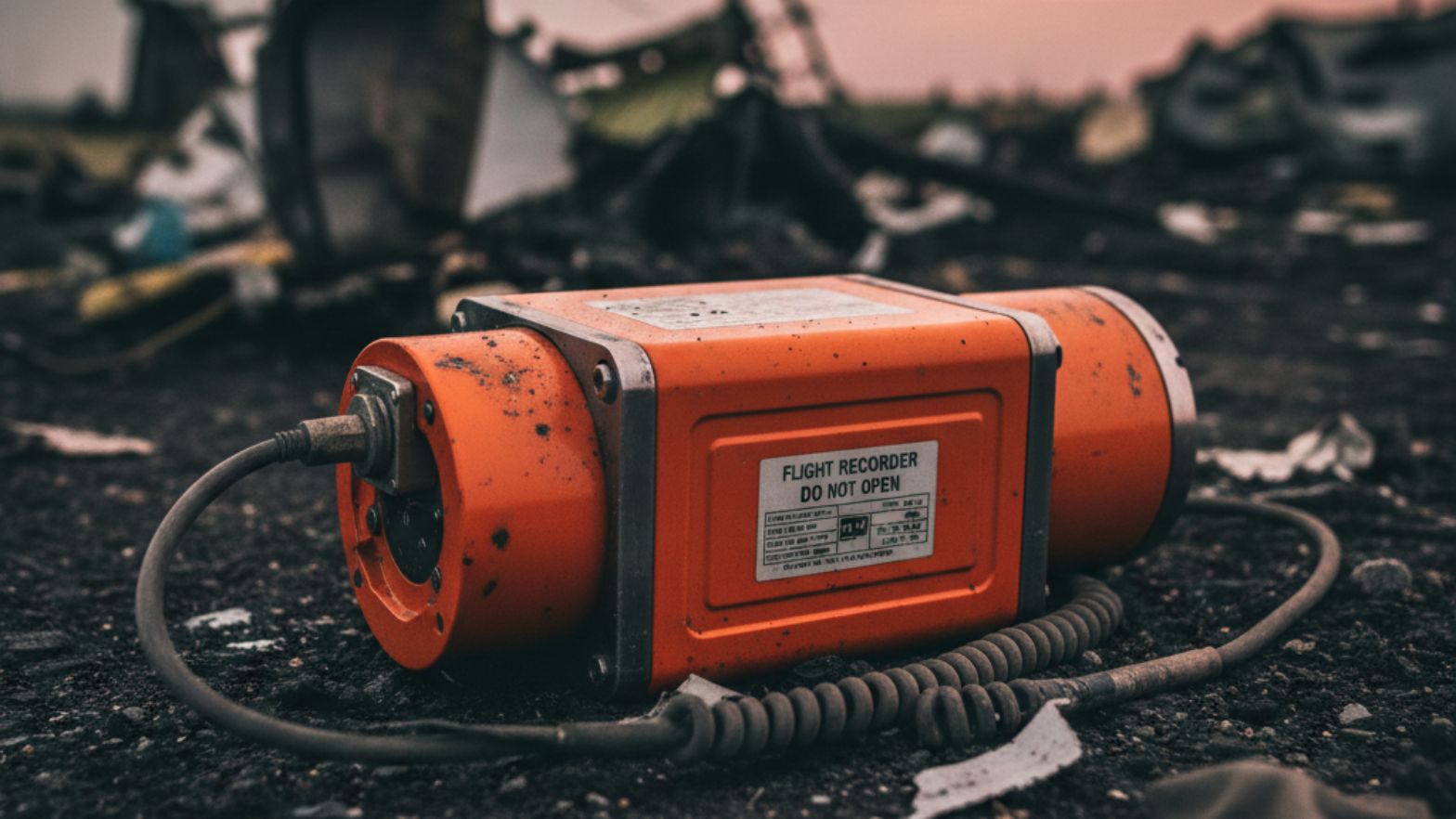
This surprises almost everyone the first time they hear it. Aircraft black boxes are painted bright orange. The colour is chosen for visibility, especially in debris fields, forests, oceans or snow-covered terrain. The bright shade stands out against most backgrounds and makes recovery easier for search teams. Calling them black boxes is a historical habit that has simply stayed on.
2. There are usually two boxes, not one.
Commercial aircraft typically carry two separate recorders. One is the Flight Data Recorder, and the other is the Cockpit Voice Recorder. The flight data unit tracks technical information such as speed, altitude, engine performance and control movements. The voice recorder captures cockpit conversations and radio communications. Together, they help investigators piece together what happened before an incident.
3. They are built to survive extreme punishment.
A black box is designed with survival as its primary purpose. It can withstand temperatures of around 1100 degrees Celsius for at least an hour. It also survives deep-sea pressure, strong impacts and crushing forces. Some models are tested by firing them from cannons or dropping heavy weights on them. All of this ensures that data remains intact even after severe accidents.
4. They keep recording over old data.
Black boxes do not store information forever. The cockpit voice recorder usually stores the last two hours of audio. Older recordings are automatically overwritten. The flight data recorder can store around 25 hours of flight data, depending on the aircraft type. This rolling recording system ensures that the most recent and relevant information is always available.
5. They do not record video.
Despite popular belief, black boxes do not record video footage of the cockpit. There are no cameras inside the device. The focus remains on audio and technical data. Some modern aircraft use separate video monitoring systems for specific purposes, but these are not part of the traditional black box setup.
6. They have underwater locator beacons.
When an aircraft crashes into water, locating the black box becomes far more difficult. To help with this, black boxes are fitted with underwater locator beacons. These beacons emit a sound signal once they come into contact with water. The signal can last up to 30 days, allowing search teams to track the location using specialised equipment.
7. They are usually placed at the rear of the aircraft.
Black boxes are often installed near the tail section of the aircraft. Accident analysis has shown that the rear tends to suffer slightly less damage in many crash scenarios. This placement improves the chances of the device surviving impact and fire. It is a strategic decision backed by decades of aviation data.
8. The term black box did not start with aviation.
The phrase black box existed before aircraft recorders became common. Engineers used it to describe systems where the internal workings were unknown or not visible. When early flight recorders were introduced, the name carried over, even though the devices themselves were not black. Over time, the term became firmly linked to aviation accidents.
9. They do not prevent accidents in real time.
Black boxes do not send live alerts or warnings to ground control during emergencies. Their role is strictly investigative. They help authorities understand what went wrong after an incident. While modern aircraft use real-time monitoring systems and satellite communications, the black box remains a passive recorder rather than an active safety controller.
10. They have quietly improved aviation safety.
The biggest surprise lies in their impact. Black box data has led to changes in aircraft design, pilot training, air traffic procedures and safety regulations. Many improvements in modern aviation trace back to lessons learned from recorded data. Passengers rarely hear about these changes, yet they contribute to making flying safer year after year.
Concluding Note
Black boxes carry a quiet authority in aviation. They sit unnoticed inside aircraft, recording thousands of details without judgement or drama. Their bright orange colour, extreme durability, limited storage and careful placement all serve a single purpose. Helping investigators learn the truth after something goes wrong.
Understanding these facts removes the mystery and replaces it with respect. These devices may not attract attention during a smooth flight, but their contribution to aviation safety continues to shape the future of air travel.