Jet lag has become part of life for anyone who has crossed time zones. Yet, there is a big difference between how it affects a holidaymaker and a pilot who crosses dozens of time zones in a single week. When we think of jet lag, we imagine ourselves sleepless after landing or struggling to wake up at the right time. But for pilots, jet lag is more than a temporary discomfort. It is a recurring challenge that shapes their routines, their health and their very ability to work safely.
This article explores how jet lag plays out for pilots differently from passengers, why it matters so much and what science and experience tell us about ways to cope with it. The story is designed to hold your interest and make you think differently about flying and those who fly for a living.
The Familiar Feeling We All Know
Most of us have felt jet lag at some point. After a long international flight from Delhi to London, we arrive tired, irritable, perhaps even disoriented. Our bodies are tuned to a rhythm called the circadian clock. This internal clock regulates sleep, hunger, mood and many bodily functions. When we suddenly jump across time zones, our clock gets out of sync with the local time. That is what produces the tiredness, the sleeplessness and the sense of being “out of sorts”. ”.
For a passenger, jet lag is usually short-lived. One or two days of adjustment, and the body finds a new rhythm. If you travelled for only a short holiday, a day or two of jet lag may be an acceptable price for new experiences. But passengers typically make a few flights and then settle into one time zone. Their bodies can adjust. Pilots do not have that luxury.
Time Zone Patterns That Never Sleep
Pilots often have irregular schedules. One week, they might fly to the United States, crossing five or six time zones. Next week, they might operate regional flights that keep them in the same city. Their rosters change constantly.
Many pilots report that their bodies struggle to adapt. When a pilot arrives in New York after flying overnight from Mumbai, he or she might have to rest, then fly the next day to another continent. This pattern fragments sleep and deprives the body of a consistent rhythm. Unlike passengers, pilots do not have days off in the same time zone to recover properly.
Research shows that this irregularity can lead to chronic desynchronisation of the circadian clock. Rather than a slight disruption that resolves quickly, pilots’ internal clocks may remain in a near-constant state of confusion. This can affect alertness, performance, mood and long-term health.
The Body Clock and Performance at Night
Human physiology prefers sleep at night and wakefulness during the day. This is programmed deep within us. When pilots operate night flights or early morning departures, their schedules often require wakefulness when the body wants sleep.
For passengers, a night flight might be uncomfortable or inconvenient. For pilots, it is part of the job. They must maintain high levels of attention, make critical decisions and monitor instruments with precision. Jet lag makes all this harder. Sleep deprivation plus circadian misalignment can slow reaction times, dull judgement and make routine tasks more demanding.
Many airlines understand these effects. They design schedules with built-in rest periods, limit hours flown in a given period and offer crew rest facilities. Despite this, pilots still face challenges. The human body does not easily accommodate erratic sleep patterns.
Sleep: A Different Kind of Precious
There is a big difference between sleeping at home and sleeping in a hotel or crew rest compartment on a plane. For pilots, achieving quality sleep during layovers is difficult. Noise, unfamiliar surroundings and stress about the next flight can make rest elusive. Even when sleeping in a quiet room, the body’s clock may tell the brain that it is time to stay awake.
Passengers typically plan their sleep around leisure or business commitments. Pilots must squeeze sleep into whatever gaps their schedule allows. Over time, this leads to what is sometimes called “sleep debt”. Sleep debt accumulates when the body does not get enough sleep over successive nights. The effects are similar to alcohol intoxication in terms of cognitive impairment.
Jet Lag and Long-Term Health
Seasoned travellers might shrug off a couple of days of jet lag, but pilots face repeated disruption week after week. There is evidence linking chronic circadian disruption to metabolic changes. For instance, irregular sleep can affect appetite hormones, leading to increased hunger or weight gain. It may also influence blood sugar regulation.
Mental health is another concern. Pilots with irregular sleep patterns can experience fatigue, irritability, decreased motivation or difficulty concentrating. Persistent sleep disturbances are associated with anxiety and depression. While pilots are trained to recognise and manage fatigue, the stronger effects of long-term circadian disruption deserve attention.
Strategies Pilots Use to Cope
Pilots use various strategies to cope with jet lag. One common approach is planned sleep adaptation. Before a long flight, a pilot may try to shift sleep times slightly toward the destination time zone. This gradual adjustment can help ease the transition.
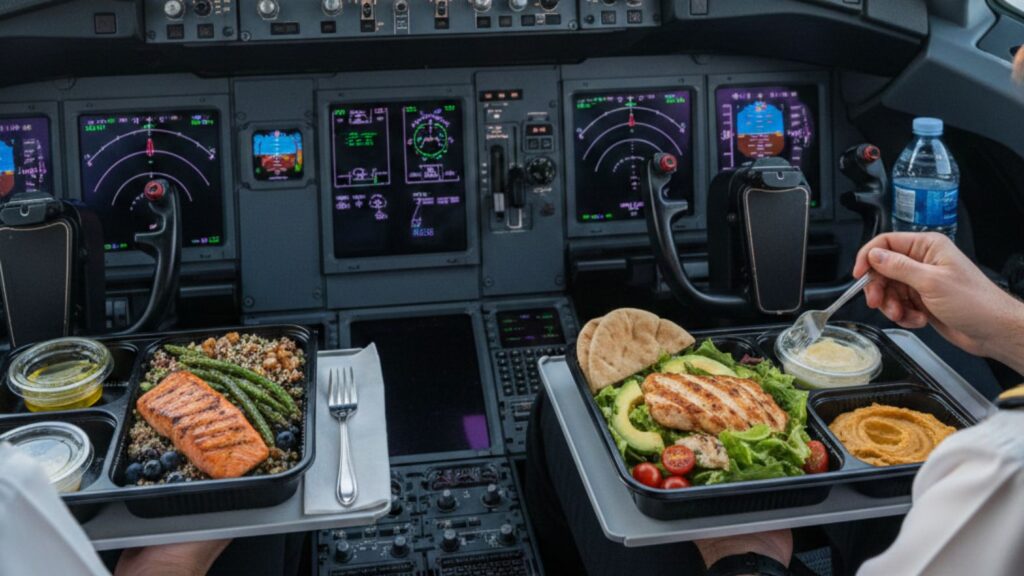
Nutrition and hydration also matter. Eating lighter meals, avoiding caffeine too close to bedtime and keeping hydrated are tactics pilots use to support their sleep quality. Physical activity, such as stretching or walking during layovers, can also promote better rest.
Technology has also become a tool. Some pilots use wearable devices to track sleep and heart rate, helping them understand when they are truly rested and when they are not. Others use apps that suggest optimal sleep and light exposure times to adjust their internal clocks.
Passengers and Pilots: Two Sides of the Same Sky
Passengers often see flying as a means to an end. They board the plane, cross time zones and then settle into a new schedule. Jet lag may slow them down for a couple of days, but life continues.
Pilots, on the other hand, live their work within the time zones. For them, jet lag is not a brief nuisance. It is a steady companion, shaping how they sleep, how they feel and how they maintain peak performance.
This difference does not mean passengers should be insensitive to pilots’ challenges. Instead, it invites respect for the skill and resilience required to manage a body that is always moving, always adjusting and rarely at rest. Every time we step onto a flight and look at the captain and the first officer up front, we are seeing professionals who are navigating more than just the aircraft. They are navigating their own physiology against the clock.
A Respect for Routine That Never Rests
Jet lag is more than tired legs and foggy mornings. It is a complex interplay between our internal clocks and the external world of time zones. For passengers, jet lag is a brief hurdle. For pilots, it is a continuous cycle that demands adaptation, resilience and care.
When next you board a flight, spare a thought for the professionals guiding the journey. Their bodies are constantly reconciling the pressure of time with the demands of duty. The sky may seem the same from every seat, but for pilots it is shaped by an invisible rhythm that governs every hour of the day and night.